
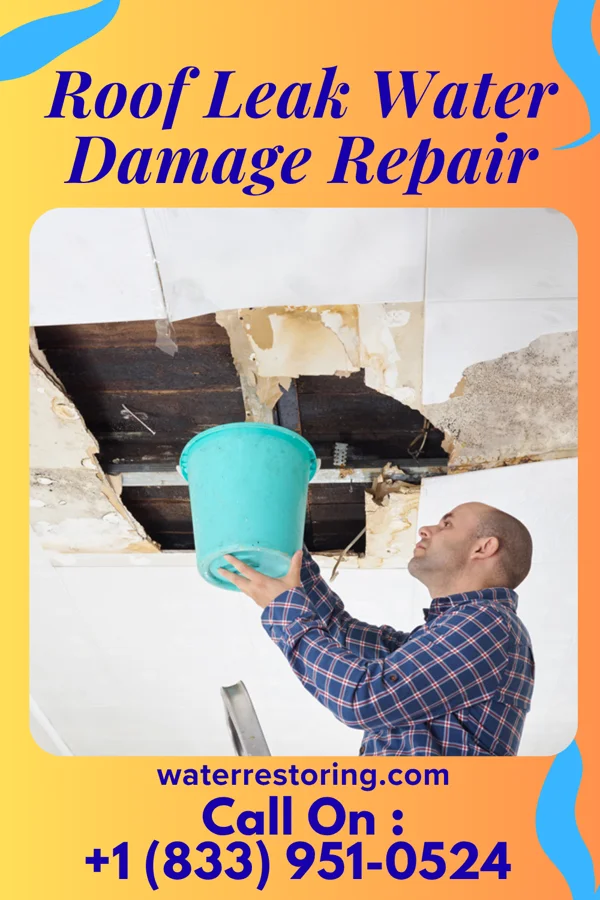
Alpine Roof Leak Damage: What Owners Should Know
Residential or commercial, water damage emergencies in Alpine keep coming back to the same drivers. Alpine, Colorado experiences frequent heavy snowfall and freezing temperatures, which can lead to ice dams forming on rooftops. These ice dams trap meltwater, causing water to seep under shingles and into the home. The region's high elevation and cold climate also increase the risk of frozen plumbing and roof leaks during sudden temperature fluctuations. sits at the top of the list. A close second is In the spring, rapid snowmelt can overwhelm drainage systems, leading to pooling water on rooftops and around foundations. Thunderstorms with heavy rainfall are also common, increasing the likelihood of sudden roof leaks and water damage. These weather patterns require prompt and professional intervention to prevent long-term structural issues..
The combination of high elevation, cold winters, and frequent storms in Alpine creates a challenging environment for roofing systems. Homes in the area are at higher risk of water damage from ice dams, wind-driven rain, and frozen plumbing, making timely repairs essential to prevent costly damage.
Water damage in Alpine follows a few local patterns. Alpine, Colorado experiences frequent heavy snowfall and freezing temperatures, which can lead to ice dams forming on rooftops. These ice dams trap meltwater, causing water to seep under shingles and into the home. The region's high elevation and cold climate also increase the risk of frozen plumbing and roof leaks during sudden temperature fluctuations. accounts for the bulk of our calls. The combination of high elevation, cold winters, and frequent storms in Alpine creates a challenging environment for roofing systems. Homes in the area are at higher risk of water damage from ice dams, wind-driven rain, and frozen plumbing, making timely repairs essential to prevent costly damage. Mold can begin to grow within 48 hours of water exposure in Alpine due to the region's cool and damp conditions. This increases the risk of indoor air quality issues, health concerns, and further damage to building materials if leaks are not resolved quickly.
For public guidance on the health effects of mold after prolonged water exposure, see the EPA mold and health page.